Sapphire Two-Way Tube for Semiconductor Equipment, Optical Systems, and High-Temperature Applications


Detailed Diagram


Product Introduction

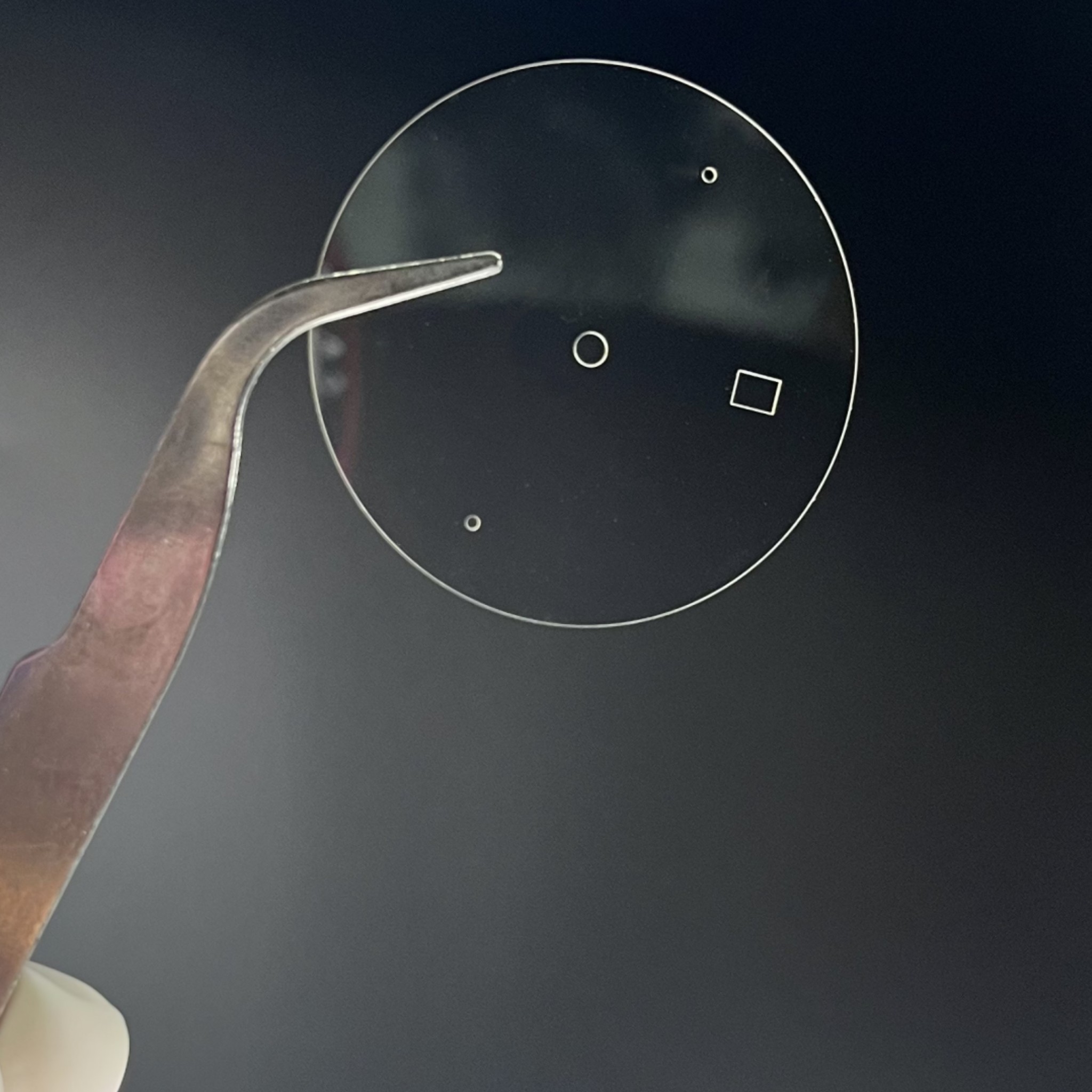
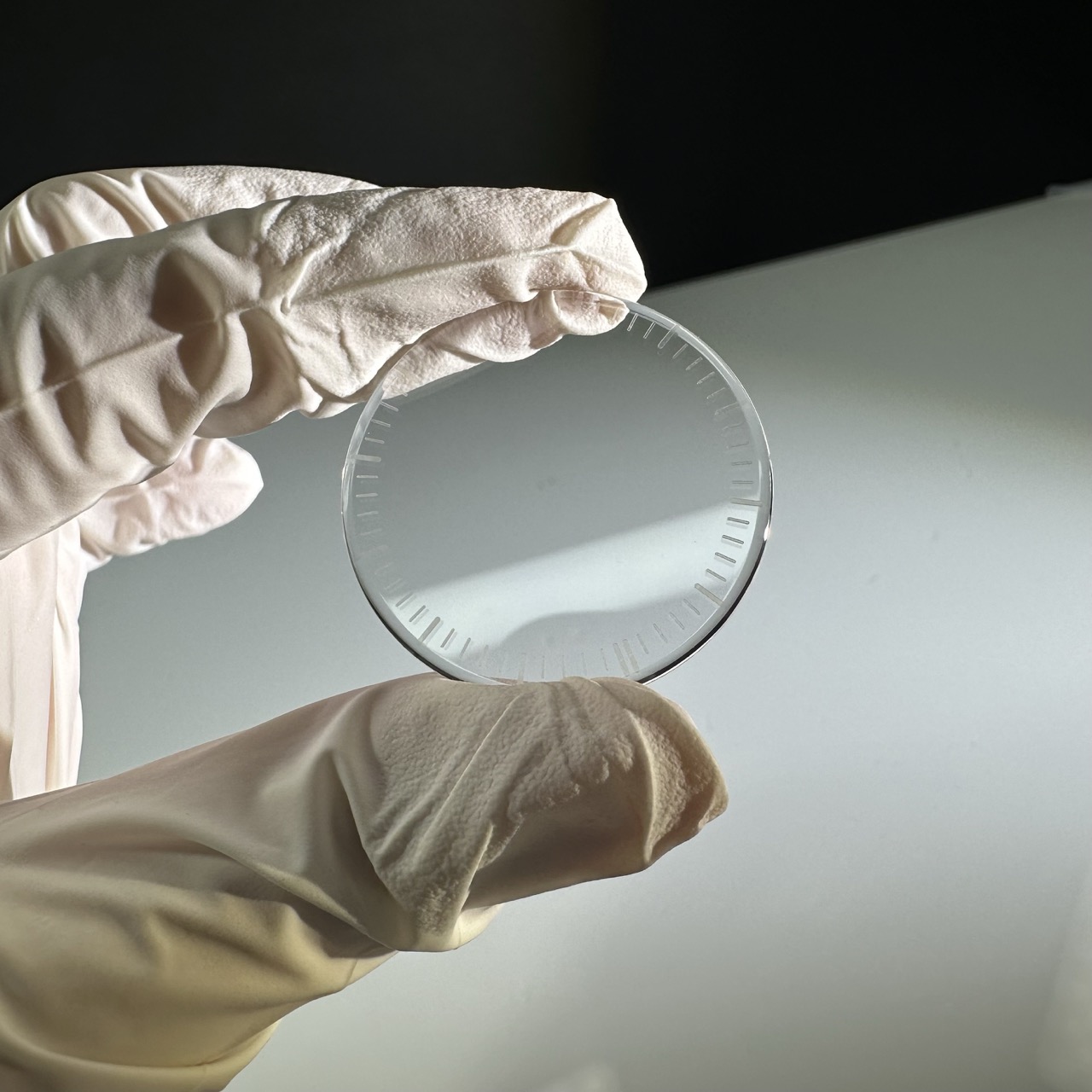
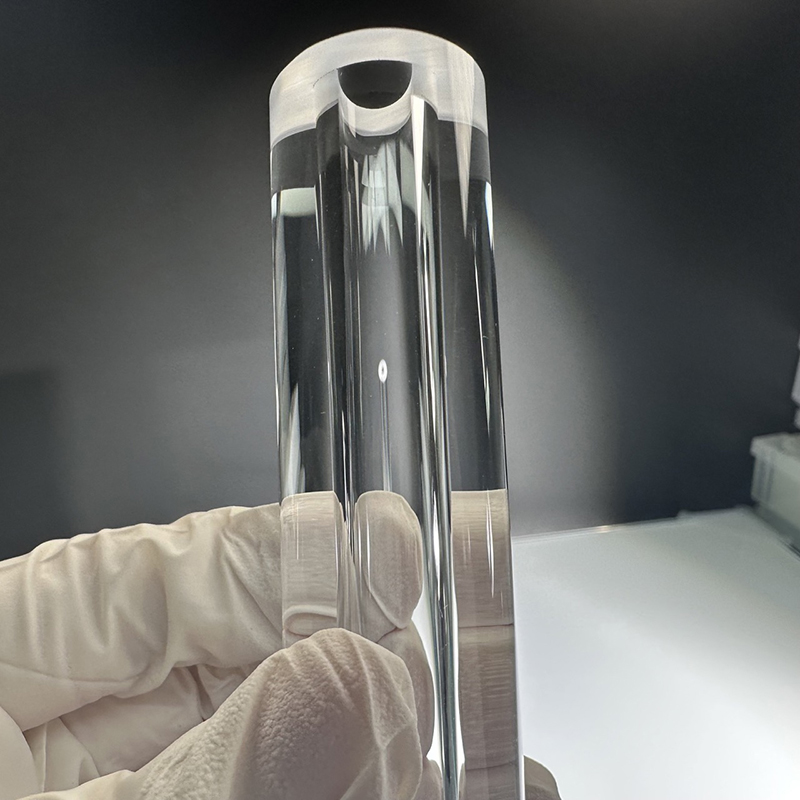
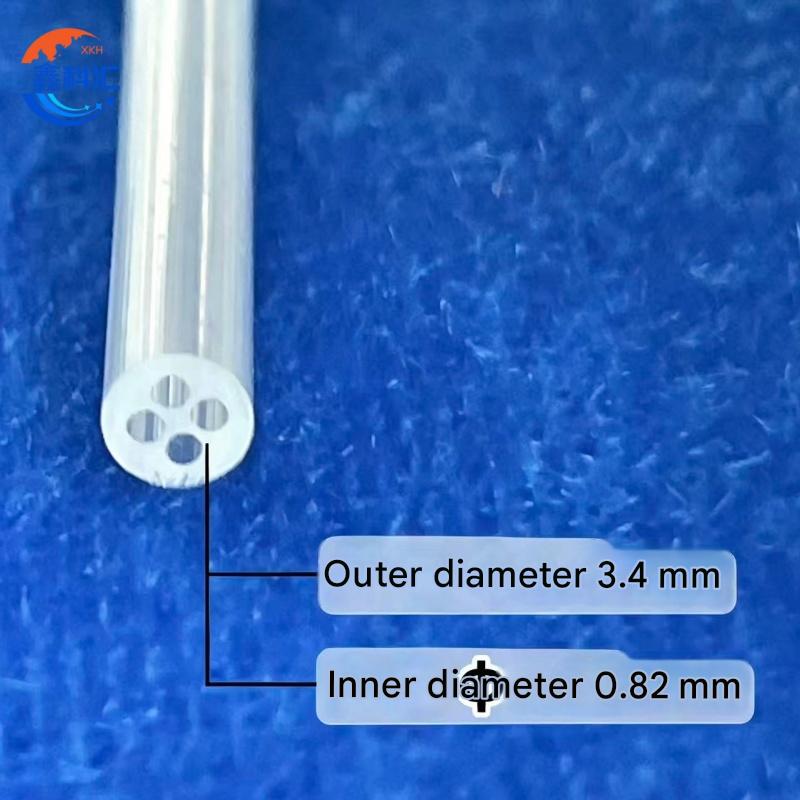
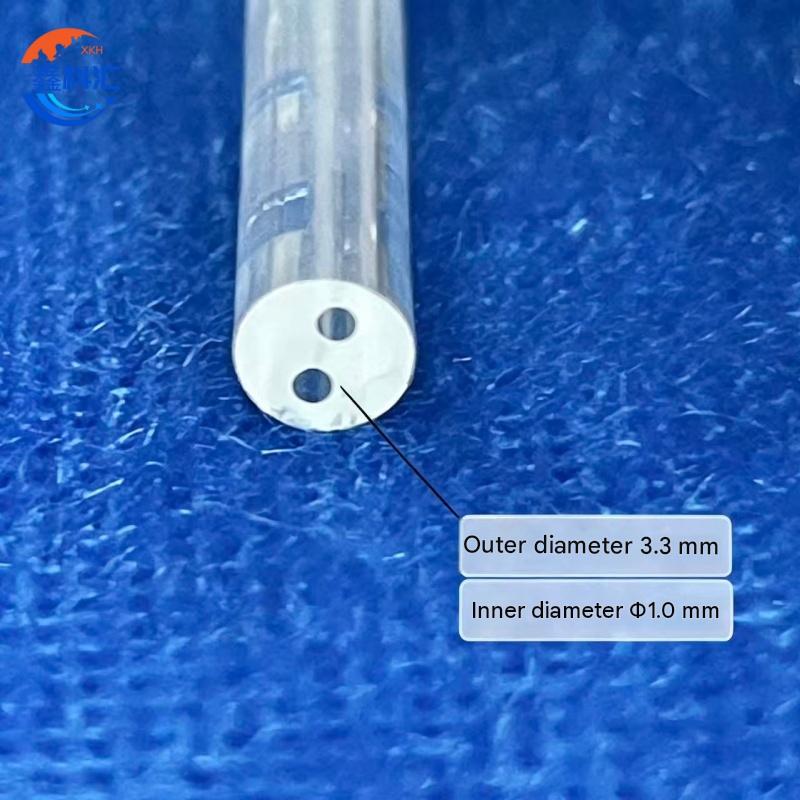
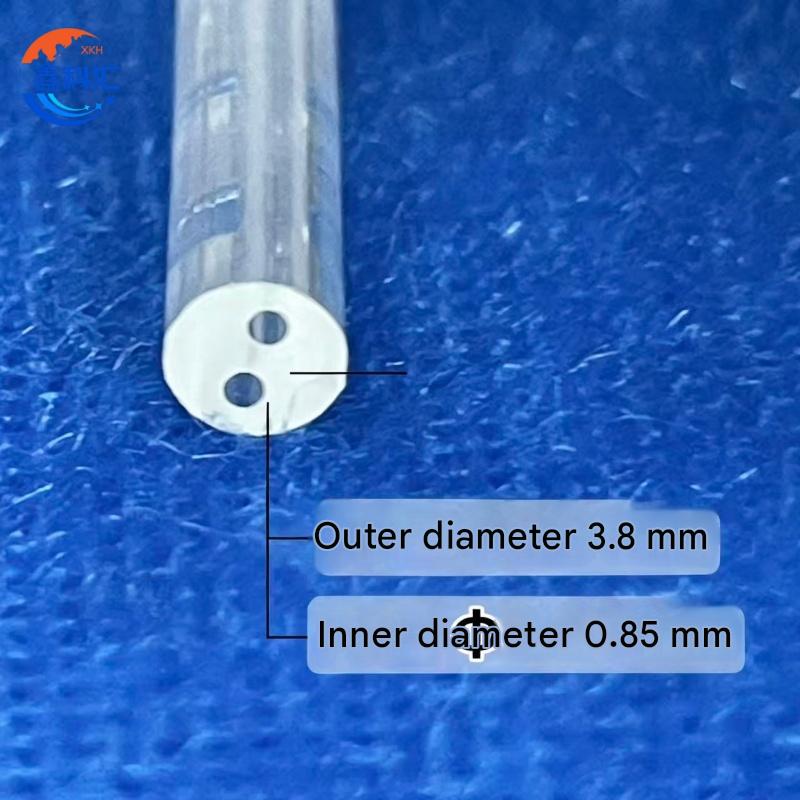
Our Precision Sapphire Two-Way Tube is a customized technical component manufactured from high-quality single-crystal sapphire, a material known for its exceptional hardness, excellent thermal stability, and outstanding optical properties. Designed for specialized equipment and precision assemblies, this sapphire tube combines a distinctive two-way structure with the reliable performance of advanced ceramic materials.
Sapphire, chemically known as aluminum oxide (Al₂O₃), is widely used in semiconductor manufacturing, optical engineering, scientific instrumentation, and other industries that demand materials with excellent mechanical strength and environmental resistance. Compared with conventional glass and many transparent materials, sapphire offers superior scratch resistance and maintains its structural integrity under demanding operating conditions.
The two-way configuration can be tailored to specific equipment designs, providing flexibility for applications that require multiple openings, specialized connections, or customized internal and external geometries. Depending on the intended use, the component can be manufactured with different bore dimensions, wall thicknesses, branch angles, and end configurations to meet individual technical requirements.
Material Advantages
Exceptional Hardness and Mechanical Durability
Sapphire ranks approximately 9 on the Mohs hardness scale, making it one of the hardest commercially used transparent materials. Its excellent scratch and abrasion resistance helps maintain surface quality during handling and operation. This characteristic is particularly valuable for precision components used in optical instruments and industrial equipment.
Excellent Resistance to High Temperatures
With a melting point of approximately 2,040°C, sapphire is suitable for applications involving elevated temperatures. Its thermal stability makes it a candidate for selected furnace components, high-temperature inspection systems, and semiconductor process equipment. The practical operating temperature depends on the surrounding atmosphere, thermal cycling, mechanical loading, and component geometry.
High Optical Transparency
Sapphire transmits light across a broad wavelength range, including ultraviolet, visible, and portions of the infrared spectrum. Its optical performance makes it useful in equipment requiring visual inspection, optical access, or light transmission through a protective component. Surface polishing and material quality can be selected according to the required optical performance.
Chemical Stability and Corrosion Resistance
Sapphire provides excellent resistance to many acids and other chemicals, making it suitable for selected corrosive environments. Its chemical durability can help extend component service life where conventional materials may be vulnerable to surface degradation. Compatibility must nevertheless be evaluated for the specific chemical medium, concentration, temperature, and exposure duration.
Material Advantages
Exceptional Hardness and Mechanical Durability
Sapphire ranks approximately 9 on the Mohs hardness scale, making it one of the hardest commercially used transparent materials. Its excellent scratch and abrasion resistance helps maintain surface quality during handling and operation. This characteristic is particularly valuable for precision components used in optical instruments and industrial equipment.
Excellent Resistance to High Temperatures
With a melting point of approximately 2,040°C, sapphire is suitable for applications involving elevated temperatures. Its thermal stability makes it a candidate for selected furnace components, high-temperature inspection systems, and semiconductor process equipment. The practical operating temperature depends on the surrounding atmosphere, thermal cycling, mechanical loading, and component geometry.
High Optical Transparency
Sapphire transmits light across a broad wavelength range, including ultraviolet, visible, and portions of the infrared spectrum. Its optical performance makes it useful in equipment requiring visual inspection, optical access, or light transmission through a protective component. Surface polishing and material quality can be selected according to the required optical performance.
Chemical Stability and Corrosion Resistance
Sapphire provides excellent resistance to many acids and other chemicals, making it suitable for selected corrosive environments. Its chemical durability can help extend component service life where conventional materials may be vulnerable to surface degradation. Compatibility must nevertheless be evaluated for the specific chemical medium, concentration, temperature, and exposure duration.
Applications of Sapphire Two-Way Tubes
Semiconductor Manufacturing Equipment
Sapphire components can be used in selected semiconductor process systems where hardness, thermal stability, chemical resistance, or optical access is required. Custom tube geometries allow integration into specialized equipment assemblies.
Optical and Laser Systems
The optical transparency and surface durability of sapphire make it suitable for selected optical assemblies, inspection equipment, and systems requiring transparent protective components.
Scientific and Analytical Instruments
Sapphire tubes can be designed for specialized measurement devices, laboratory instruments, and analytical systems that require durable materials and customized structural configurations.
Industrial High-Temperature Equipment
For selected thermal testing and industrial monitoring applications, sapphire offers a combination of high-temperature capability, mechanical hardness, and resistance to environmental degradation.

Sapphire Two-Way Tube – Specifications
| Parameter | Specification |
|---|---|
| Product Name | Sapphire Two-Way Tube |
| Material | Single-Crystal Sapphire (Al₂O₃) |
| Structure | Two-Way / Custom Branch Design |
| Appearance | Transparent or Translucent |
| Hardness | Mohs 9 |
| Melting Point | Approx. 2,040°C |
| Optical Properties | UV, Visible, and Partial IR Transmission |
| Outer Diameter | Customized |
| Inner Diameter | Customized |
| Wall Thickness | Customized |
| Surface Finish | Ground or Polished |
| Dimensional Tolerance | Available Upon Request |
| Applications | Semiconductor, Optical, Analytical, and Industrial Equipment |
FAQ – Sapphire Two-Way Tube
1. What is a Sapphire Two-Way Tube?
A Sapphire Two-Way Tube is a precision component made from single-crystal sapphire (Al₂O₃), featuring a specialized two-way structure. It can be customized for optical systems, semiconductor equipment, analytical instruments, and other industrial applications requiring high-performance materials.
2. What are the main advantages of sapphire tubes?
Sapphire offers exceptional hardness, excellent thermal stability, high optical transparency, and resistance to scratching and many chemicals. These properties make it suitable for demanding applications where durability and dimensional stability are important.
3. Can Sapphire Two-Way Tubes withstand high temperatures?
Yes. Sapphire has a melting point of approximately 2,040°C and maintains its structural properties at elevated temperatures. However, the maximum recommended operating temperature depends on the component design, surrounding atmosphere, thermal cycling, and mechanical stress.
About Us
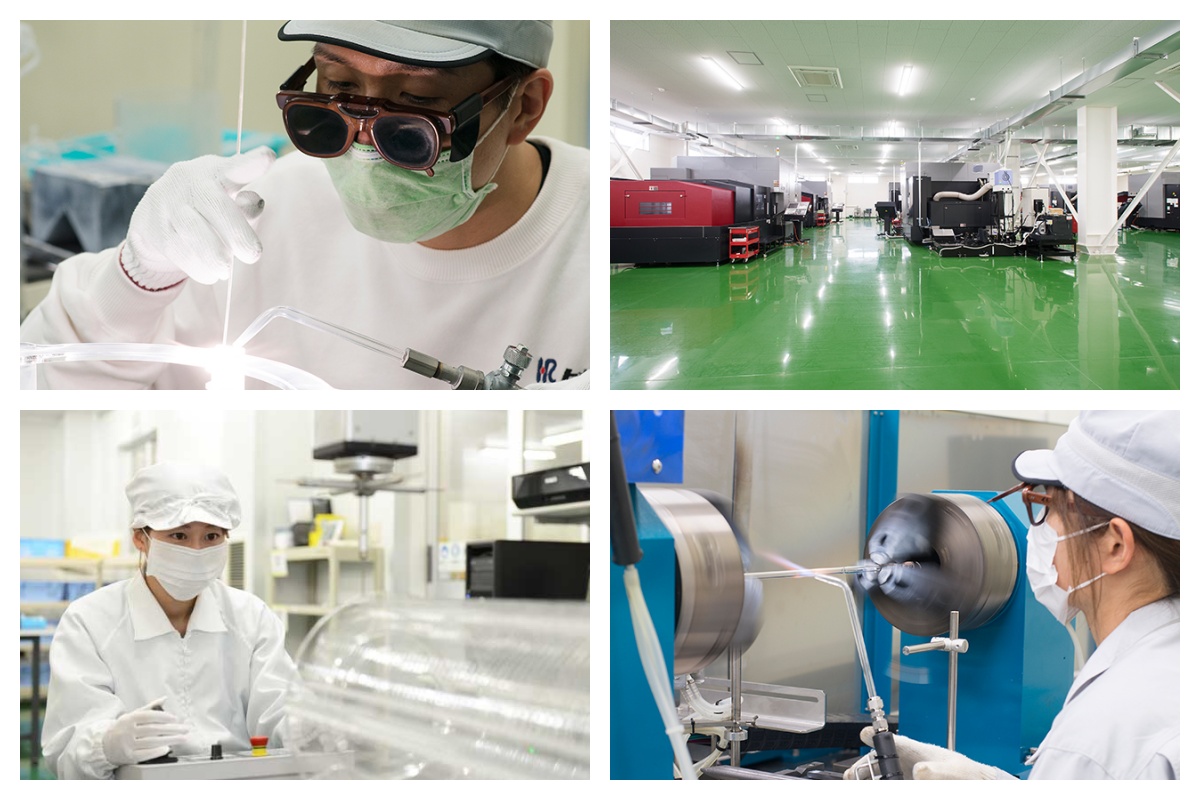
XKH specializes in high-tech development, production, and sales of special optical glass and new crystal materials. Our products serve optical electronics, consumer electronics, and the military. We offer Sapphire optical components, mobile phone lens covers, Ceramics, LT, Silicon Carbide SIC, Quartz, and semiconductor crystal wafers. With skilled expertise and cutting-edge equipment, we excel in non-standard product processing, aiming to be a leading optoelectronic materials high-tech enterprise.