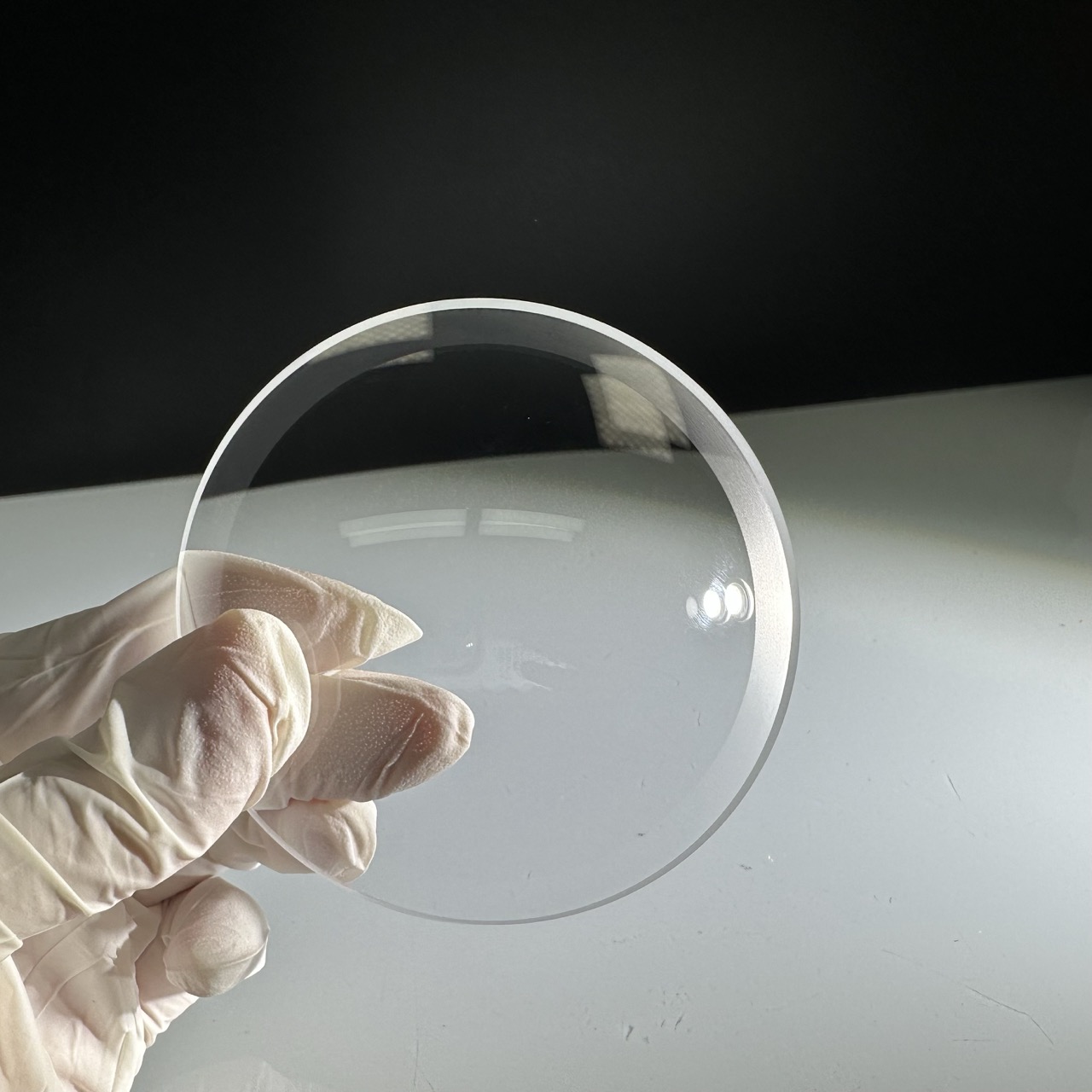
Optical Sapphire Window components manufactured Custom


Detailed Diagram


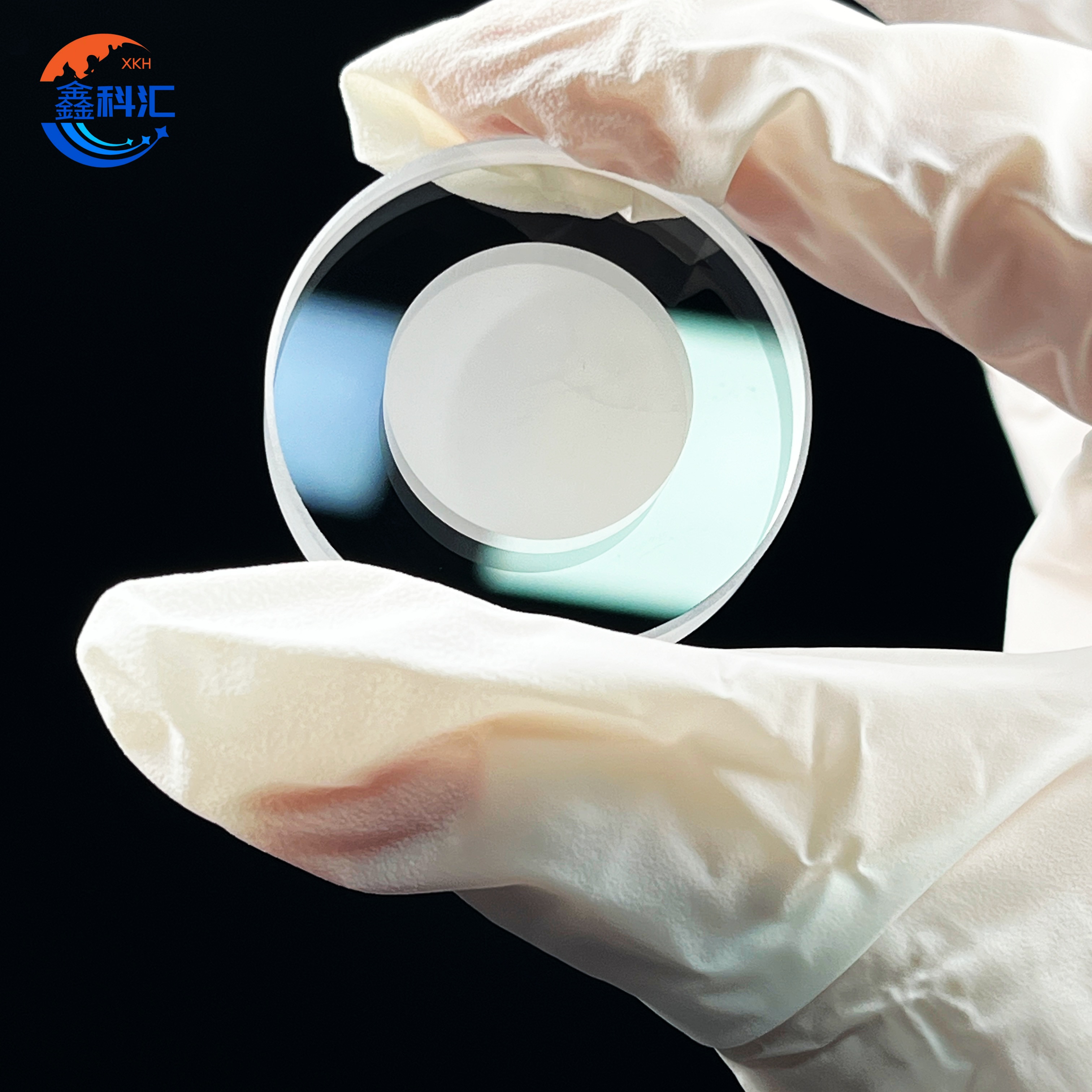
Overview of sapphire windows

With a Mohs hardness of 9, second only to diamond, sapphire windows offer excellent scratch resistance and durability. They provide reliable optical performance across a wide wavelength range, from ultraviolet (UV) to infrared (IR), making them ideal for precision optical systems.
Manufacturing Process of sapphire windows
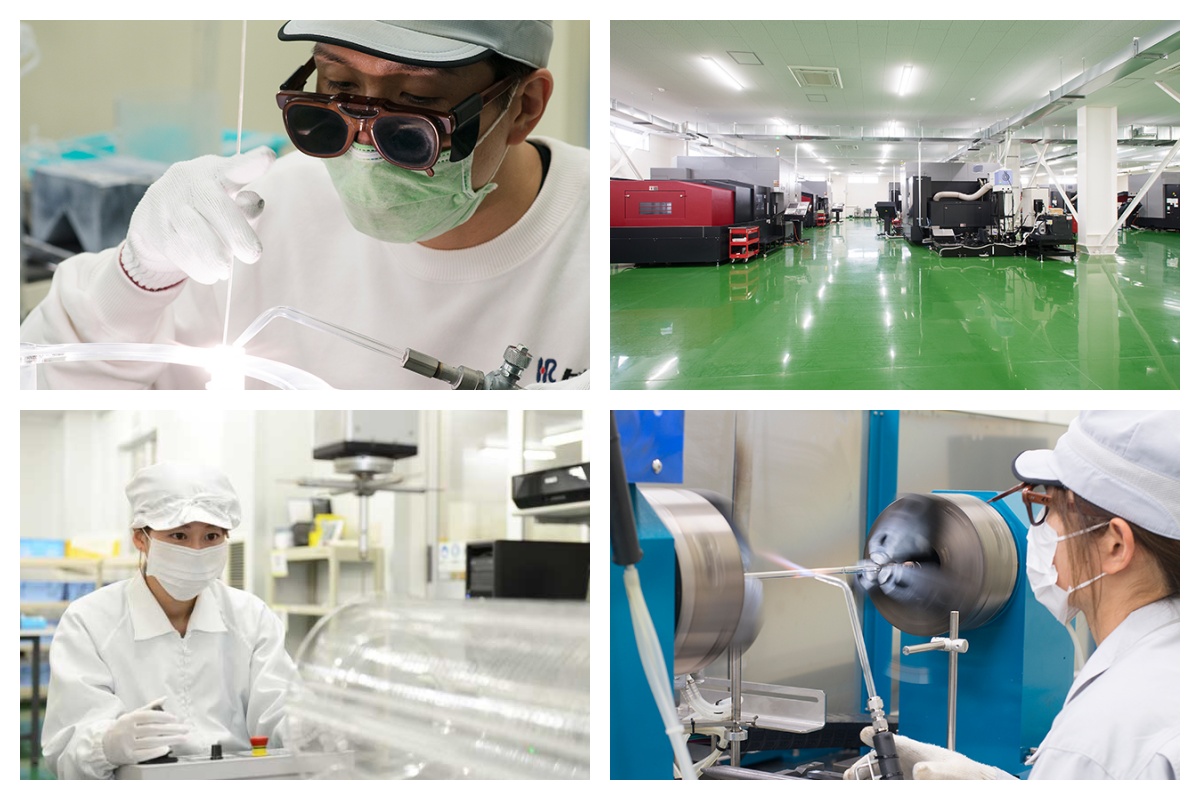
Sapphire windows are produced through advanced crystal growth and precision machining technologies:
- Crystal Growth Methods
- Kyropoulos (KY) Method
- Edge-Defined Film-Fed Growth (EFG)
- Czochralski (CZ) Method
- Processing Steps
- Crystal orientation cutting (C-plane, A-plane, R-plane, etc.)
- CNC shaping and edge profiling
- Double-side lapping and polishing
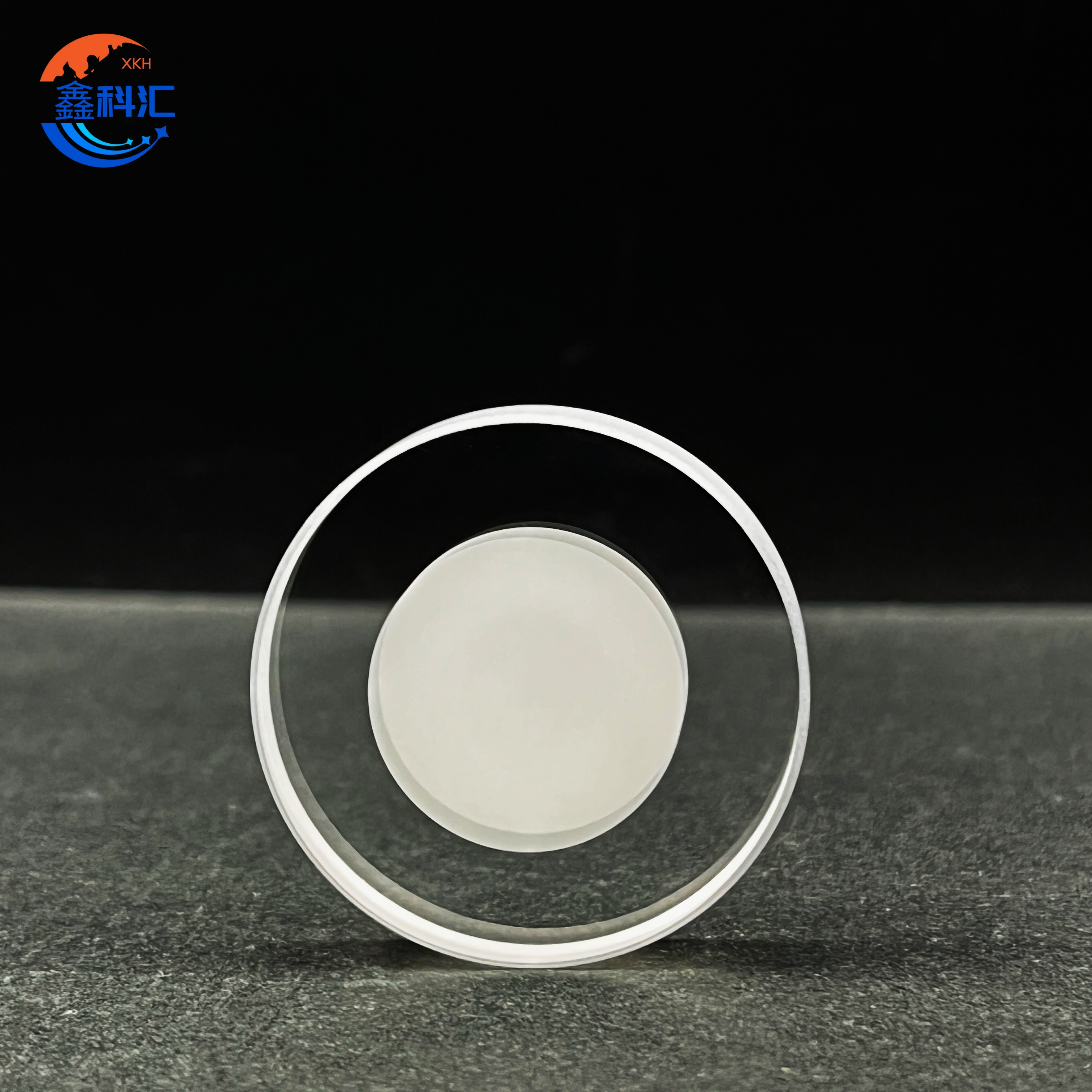
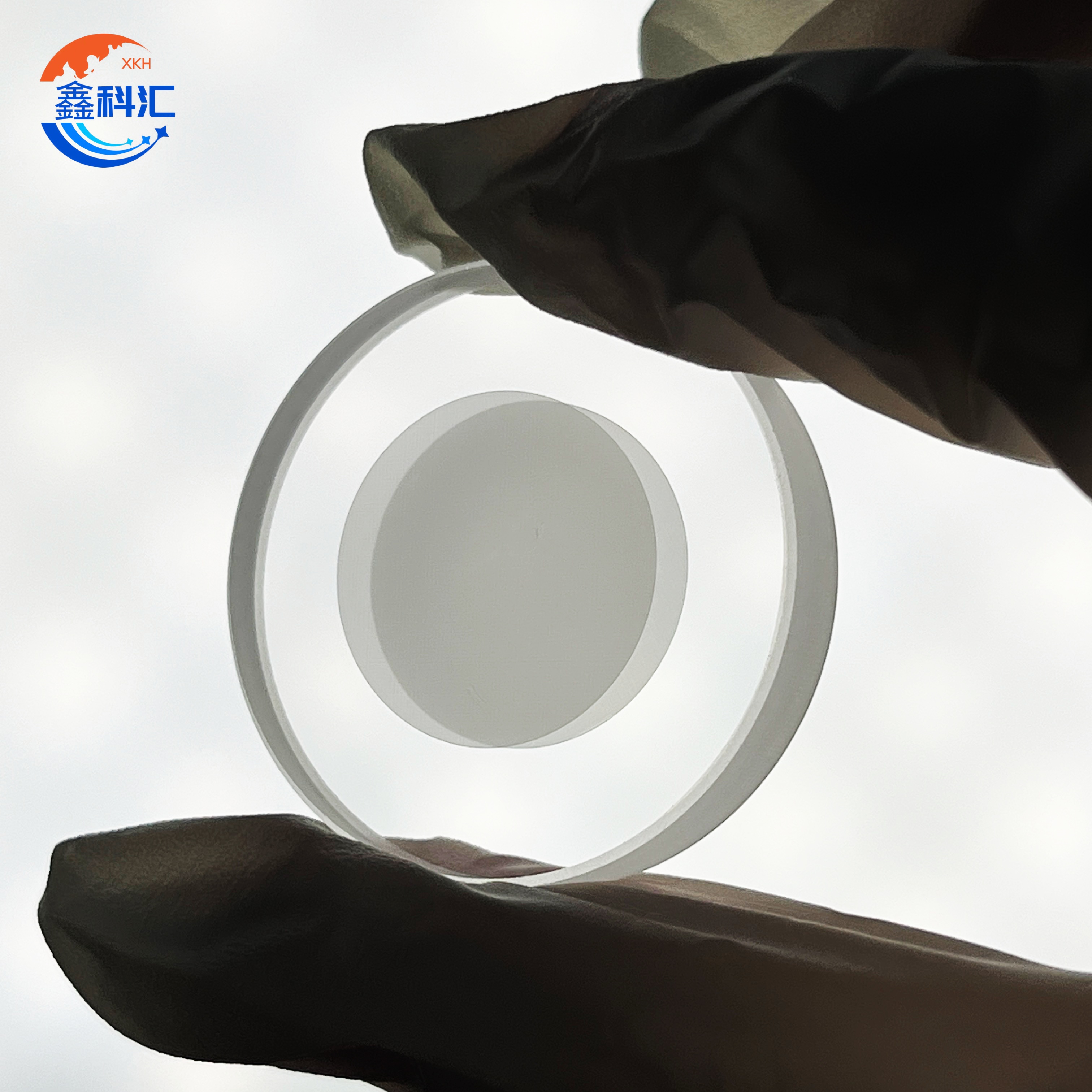
- Surface finishing (optical polish or matte/frosted finish)
- Optional coatings (AR, HR, IR coatings)
These processes ensure tight dimensional tolerances and superior surface quality (up to λ/10 flatness and 10-5 scratch-dig).
Key Features
- Ultra-high hardness (Mohs 9) – excellent wear and scratch resistance
- Wide optical transmission (150 nm – 5500 nm)
- High thermal resistance – stable up to ~2000°C
- Excellent chemical inertness – resistant to acids and alkalis
- High mechanical strength – suitable for high-pressure environments
- Superior surface quality – ideal for precision optics
Applications
- Laser systems – protective windows and optical interfaces
- Infrared & UV optics – sensors, detectors, spectroscopy
- Semiconductor equipment – vacuum chambers and process monitoring
- Aerospace & defense – high-speed and high-temperature environments
- Medical devices – durable optical covers
- High-pressure systems – observation windows

Specifications
| Parameter | Typical Value / Option |
|---|---|
| Material | Single Crystal Al₂O₃ |
| Purity | ≥ 99.99% |
| Diameter / Size | Custom (1 mm – 300 mm) |
| Thickness | 0.2 mm – 50 mm |
| Surface Quality | 40/20, 20/10, 10/5 |
| Flatness | λ/10 or better |
| Parallelism | ≤ 3 arc min |
| Roughness | Ra < 1 nm |
| Orientation | C-plane, A-plane, R-plane |
| Coating | AR / HR / IR optional |
FAQ
Q1: Why choose sapphire over glass or quartz?
A: Sapphire offers significantly higher hardness, better scratch resistance, and wider transmission range compared to standard glass or quartz, making it suitable for harsh environments.
Q2: Can sapphire windows withstand high temperatures?
A: Yes, sapphire can operate in environments up to ~2000°C, far exceeding most optical materials.
Q3: Is coating necessary?
A: It depends on the application. AR coatings are recommended to reduce reflection and improve transmission efficiency.
Q4: Can you provide custom sizes and shapes?
A: Yes, fully customized production is available based on drawings or specific requirements.
About Us
XKH specializes in high-tech development, production, and sales of special optical glass and new crystal materials. Our products serve optical electronics, consumer electronics, and the military. We offer Sapphire optical components, mobile phone lens covers, Ceramics, LT, Silicon Carbide SIC, Quartz, and semiconductor crystal wafers. With skilled expertise and cutting-edge equipment, we excel in non-standard product processing, aiming to be a leading optoelectronic materials high-tech enterprise.