
BF33 Borofloat 33 Glass Wafer for Semiconductor MEMS Optical


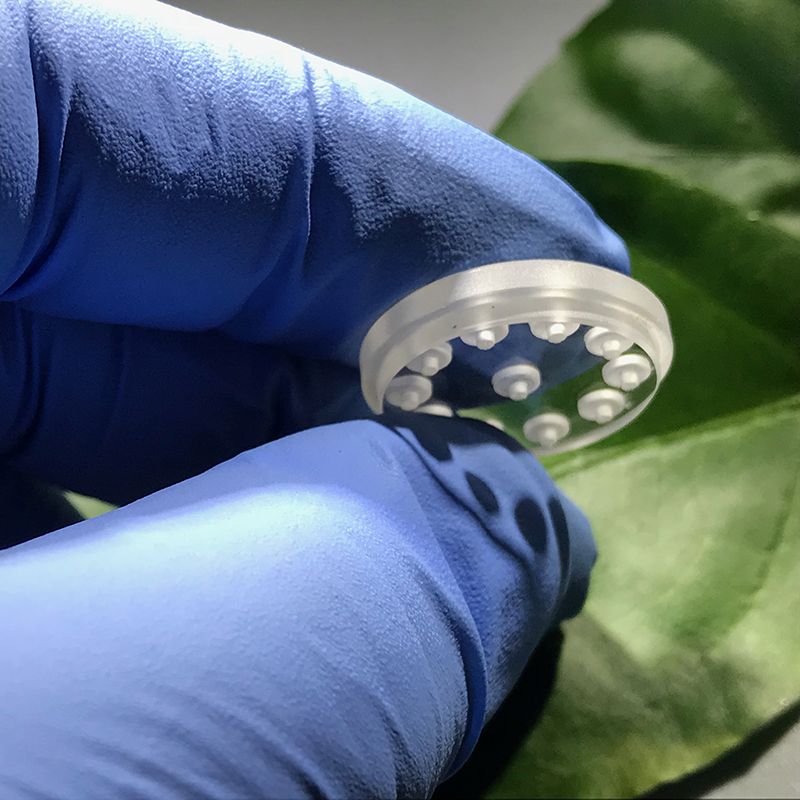
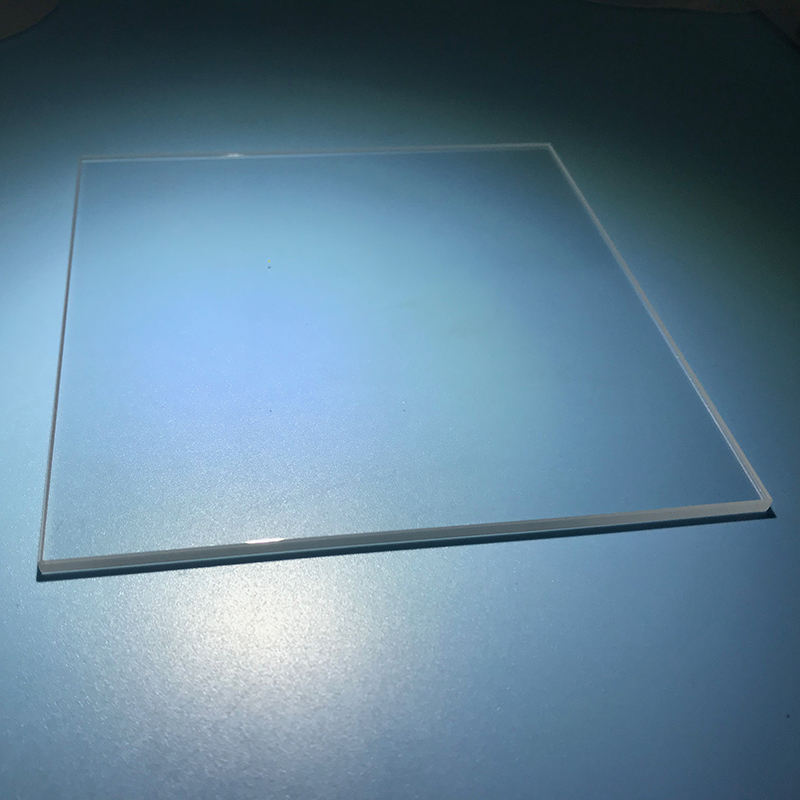
Detailed Diagram


Introduction of BF33 glass wafer

The BF33 glass wafer—widely known as BOROFLOAT 33 or BF 33—is a premium borosilicate float glass wafer manufactured by SCHOTT, noted for its exceptional thermal, optical, chemical, and mechanical properties. The “33” in its name refers to its coefficient of thermal expansion (CTE) of approximately 3.3 ppm/°C, a characteristic that closely matches silicon, making it a preferred choice for semiconductor and microelectronic applications.
BOROFLOAT 33 is created using SCHOTT’s pioneering microfloat process, which yields a homogenous material with mirror-like surface quality, high flatness, minimal microroughness, and overall outstanding optical clarity .
Material Composition & Structural Integrity of BF33 glass wafer
The glass composition of BF33 is approximately:
- SiO₂
- B₂O₃
- Na₂O/K₂O
- Al₂O₃
This formulation yields key benefits:
- Low density, lighter than typical soda-lime glass, enabling lightweight laminated structures (e.g., bulletproof glass) .
- Low alkali content, which reduces leaching in analytical or biomedical devices, minimizing interference during measurements.
Thermal & Mechanical Properties of BF33 glass wafer
Thermal Performance
- Coefficient of Thermal Expansion (CTE): ≈ 3.25 ppm/°C—closely matching silicon—ensures minimal stress during temperature changes and is essential for processes like anodic bonding.
- Temperature resistance: Up to 450 °C for long-term use, and 500 °C for short-term (<10 h) operations .
- Thermal Shock Resistance: Its low CTE and structural integrity offer excellent resistance to rapid temperature fluctuations, preventing cracking or warping .
Mechanical Strength
- Hardness: High Knoop hardness (≈ 480 HK) and robust abrasion resistance, significantly outperforming ordinary soda-lime glass .
- Elastic Modulus: Approximately 64 kN/mm² with Poisson’s ratio around 0.2.
- These characteristics make BF33 highly resistant to penetration, scratching, and mechanical wear .
Summary & Advantages of BF33 glass wafer
In summary, the BF33 / BOROFLOAT 33 glass wafer offers an unmatched combination of properties:
| Property | Value |
| Silica Content | >80% |
| Strain Point | 520°C |
| Annealing Point | 560°C |
| Softening Point | 820°C |
| Refractive Index | 1.47 |
| Transmission | >90% |
| Elastic Modulus (E) | 67 KN/mm² |
| Tensile Strength | 40–120 KN/mm² |
| Working Temperature (104 dPas) | 1220°C |
| Thermal Expansion Coefficient (20–300°C) | 3.3 × 10⁻⁶ /K |
| Poisson's Ratio | 0.2 |
| Density (20°C) | 2.23 g/cm³ |
| Specific Heat | 0.9 J/(g·K) |
| Water Resistance (ISO) | Class 1 |
| Acid Resistance (ISO) | Class 1 |
| Alkali Resistance (ISO) | Class 2 |
These attributes make it a versatile and high-performance substrate for applications where reliability, precision, and durability are indispensable.
FAQ of BF33 Glass Wafer
What is BF33 glass?
BF33, also known as BOROFLOAT 33, is a high-quality borosilicate float glass manufactured using SCHOTT’s proprietary microfloat process. It features low thermal expansion (~3.3 × 10⁻⁶ K⁻¹), high thermal shock resistance, excellent chemical durability, and outstanding optical clarity. It is often supplied in wafer form for semiconductor, microfluidic, and optical applications.
What is the difference between BF33 and ordinary glass?
Unlike soda-lime glass, BF33 contains more than 80% silica and significant boron oxide, which:
-
Reduces thermal expansion, preventing cracking during temperature cycling.
-
Increases chemical resistance against acids, bases, and solvents.
-
Improves UV and infrared transmission.
-
Enhances mechanical strength and scratch resistance.
Why is BF33 glass widely used in semiconductor and MEMS fabrication?
Its thermal expansion matches that of silicon, enabling stress-free anodic bonding. Additionally, its chemical durability allows it to withstand wet etching, CMP, and other cleanroom processes without degradation.
Can BF33 glass wafers be polished?
Yes. BF33 wafers are often supplied as DSP (Double-Side Polished) or SSP(Single-Side Polished) with surface roughness < 1 nm Ra and low total thickness variation (TTV), which is critical for photolithography and wafer bonding.
About Us
XKH specializes in high-tech development, production, and sales of special optical glass and new crystal materials. Our products serve optical electronics, consumer electronics, and the military. We offer Sapphire optical components, mobile phone lens covers, Ceramics, LT, Silicon Carbide SIC, Quartz, and semiconductor crystal wafers. With skilled expertise and cutting-edge equipment, we excel in non-standard product processing, aiming to be a leading optoelectronic materials high-tech enterprise.
Related Products
-
Transparent Custom Sapphire Watchcase: Fashiona...
-
KY sapphire single crystal pipes tube rods all ...
-

Soda-Lime Glass Substrates – Precision Polished...
-
High Temperature Resistance Sapphire/Quartz/BF3...
-
Step Holes Dia25.4×2.0mmt Sapphire optical...
-
High precision Dia50.8x1mmt Sapphire Windows Hi...