Silicon Carbide Ceramic End Effector (Fork Arm/Hand Type)


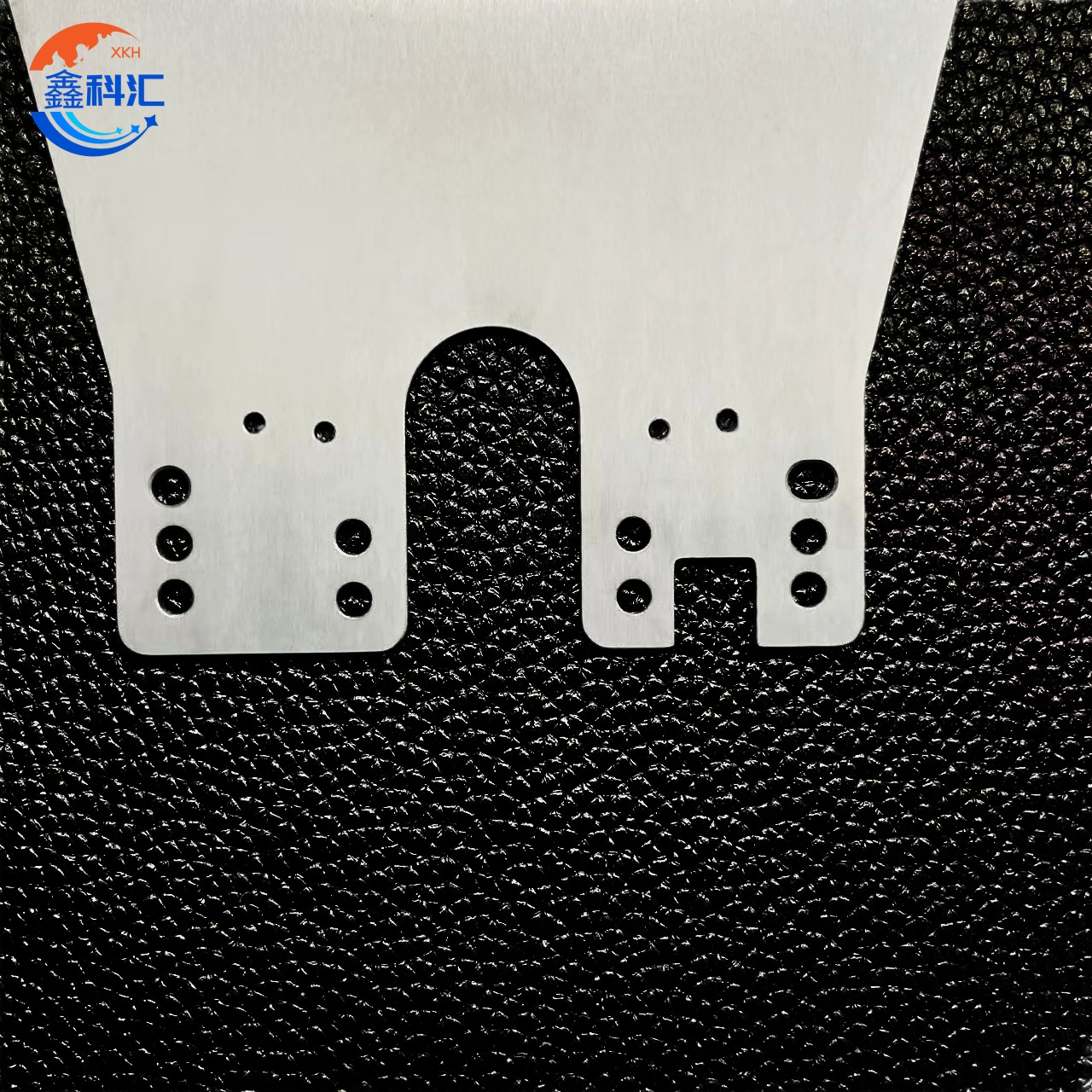
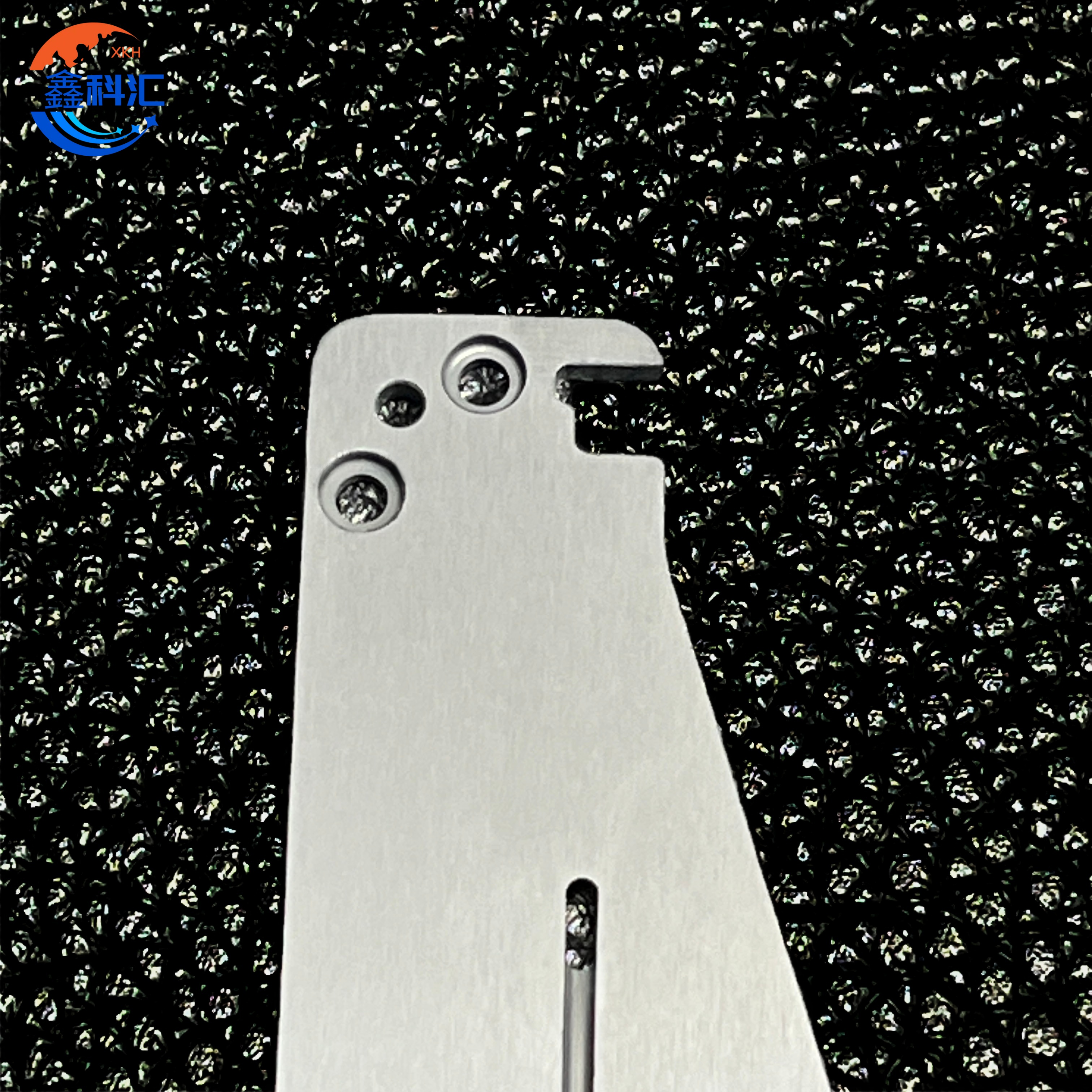
Detailed Diagram


Overview of Quartz Glass

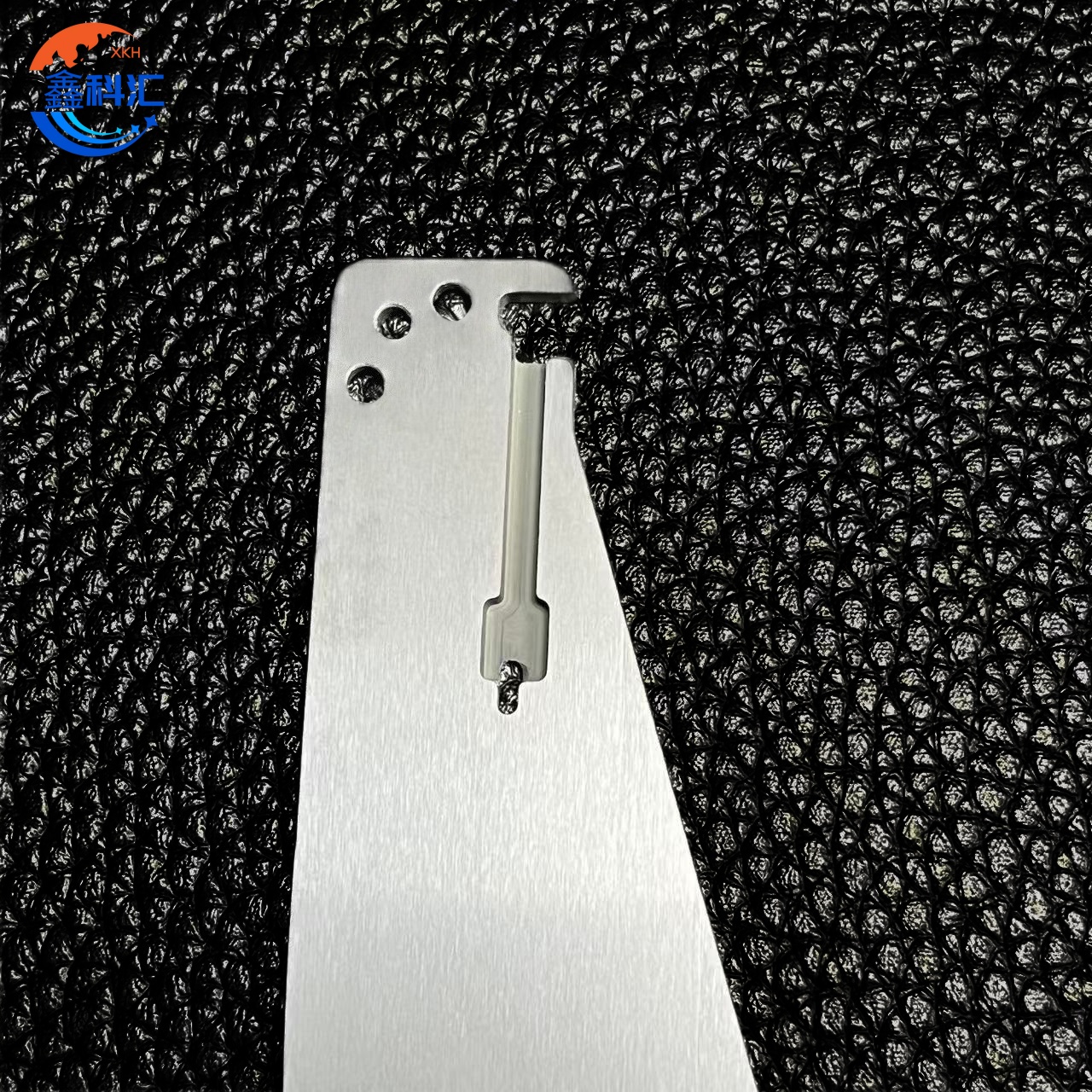
The Silicon Carbide Ceramic End Effector is a high-precision handling component engineered for semiconductor manufacturing, photonics, automation robotics, and advanced material processing. Designed in a fork arm/hand configuration, the Silicon Carbide Ceramic End Effector provides exceptional dimensional stability, ultra-high stiffness, and extremely low particle generation, making it ideal for sensitive wafer and substrate transfer operations.
Unlike traditional metal or polymer end tools, the Silicon Carbide Ceramic End Effector can maintain shape accuracy under extreme temperatures, chemical exposure, and vacuum environments. Its ultra-flat supporting surface ensures stable handling of silicon wafers, glass substrates, sapphire optics, SiC wafers, and other fragile materials. With a lightweight yet rigid structure, the Silicon Carbide Ceramic End Effector reduces vibration, increases throughput, and minimizes mechanical stress during rapid robotic acceleration.
Engineered for zero-contamination performance, the Silicon Carbide Ceramic End Effector is widely used in FOUP load ports, EFEM modules, lithography systems, vacuum transfer tools, and metrology stations—providing a reliable, high-purity interface between automation equipment and valuable materials.
Manufacturing Principle
The Silicon Carbide Ceramic End Effector is produced through a specialized ceramic fabrication workflow that guarantees high purity, high density, and long-term reliability. Throughout the production process, strict quality controls ensure that each Silicon Carbide Ceramic End Effector meets the stringent requirements of semiconductor-class automated systems.
1. Material Preparation
Manufacturing begins with the selection of high-purity SiC powders. These powders determine the mechanical strength and purity of the Silicon Carbide Ceramic End Effector. Special binders and sintering additives are blended to achieve ideal particle packing and promote uniform densification.
2. Shaping and Preforming
The green body of the Silicon Carbide Ceramic End Effector is formed using isostatic pressing or ceramic injection molding. This ensures a stress-balanced structure with minimal internal defects. The fork-style geometry is shaped at this stage to match wafer diameters and robotic mounting interfaces.
3. High-Temperature Sintering
The shaped component is sintered above 2000°C in a vacuum or inert atmosphere. During this step, the Silicon Carbide Ceramic End Effector reaches near-theoretical density, delivering excellent hardness, thermal shock resistance, and chemical stability. This stage defines the mechanical integrity of the component.
4. CNC Precision Machining
After sintering, diamond grinding and multi-axis CNC machining refine the geometry of the Silicon Carbide Ceramic End Effector. Critical features such as wafer contact surfaces, mounting holes, alignment grooves, and fork spacing are machined to tolerances as tight as ±0.01 mm.
5. Surface Finishing and Cleaning
Finally, the Silicon Carbide Ceramic End Effector undergoes ultra-fine polishing and high-purity ultrasonic cleaning. This step reduces surface roughness and eliminates micro-particles, ensuring cleanroom compatibility. Optional CVD-SiC coatings or plasma-resistant layers can further enhance durability.
This meticulous manufacturing approach ensures that every Silicon Carbide Ceramic End Effector performs reliably in high-precision automation environments.
Applications
The Silicon Carbide Ceramic End Effector is designed for industries where cleanliness, precision, and reliability are non-negotiable. Its fork arm/hand design makes it suitable for robotic arms, pick-and-place systems, vacuum transfer tools, and advanced inspection platforms.
1. Semiconductor Manufacturing
In semiconductor fabs, the Silicon Carbide Ceramic End Effector is used extensively in:
-
Wafer loading/unloading
-
FOUP sorting
-
Vacuum chamber transport
-
Etching, lithography, and deposition processes
The ultra-clean and rigid Silicon Carbide Ceramic End Effector prevents wafer slip, bow, and contamination, supporting wafers from 150 mm to 300 mm.
2. Photonics and Optoelectronics
For handling fragile lenses, optical devices, GaN substrates, and photonic chips, the Silicon Carbide Ceramic End Effector delivers vibration-free stability. Its non-metallic nature avoids magnetic interference and optical contamination.
3. Display & Panel Manufacturing
In OLED, QLED, and LCD panel production, the Silicon Carbide Ceramic End Effector safely transfers thin glass and specialty substrates. Its chemically inert surface protects against residues and surface damage.
4. Aerospace and Vacuum Robotics
In high-vacuum chambers and aerospace assembly lines, the Silicon Carbide Ceramic End Effector withstands high temperatures, radiation exposure, and corrosive gases while maintaining dimensional accuracy.
Across all these industries, the Silicon Carbide Ceramic End Effector consistently outperforms metal and polymer alternatives.
FAQ – Frequently Asked Questions
Q1: Can the Silicon Carbide Ceramic End Effector support custom sizes?
Yes. The Silicon Carbide Ceramic End Effector can be designed for any wafer, panel, or substrate size. Fork spacing, thickness, weight, and mounting hole patterns are fully customizable.
Q2: Is the Silicon Carbide Ceramic End Effector suitable for vacuum environments?
Absolutely. The Silicon Carbide Ceramic End Effector has extremely low outgassing and no metallic contamination, making it ideal for UHV and cleanroom environments.
Q3: What are the advantages of a SiC end effector over aluminum or steel?
A Silicon Carbide Ceramic End Effector offers:
-
Higher stiffness-to-weight ratio
-
Lower thermal expansion
-
Superior wear resistance
-
Better plasma and chemical resistance
-
Zero corrosion
About Us
XKH specializes in high-tech development, production, and sales of special optical glass and new crystal materials. Our products serve optical electronics, consumer electronics, and the military. We offer Sapphire optical components, mobile phone lens covers, Ceramics, LT, Silicon Carbide SIC, Quartz, and semiconductor crystal wafers. With skilled expertise and cutting-edge equipment, we excel in non-standard product processing, aiming to be a leading optoelectronic materials high-tech enterprise.