
Clear Quartz Glass: High-Purity Material for Optics and Semiconductor Applications
Clear quartz glass is one of the most important high-purity silica materials used in optical, semiconductor, laboratory, and high-temperature applications. With its excellent optical transmission, low impurity levels, and strong temperature resistance, clear quartz is particularly suitable for applications where light, heat, and chemical purity must be carefully controlled.
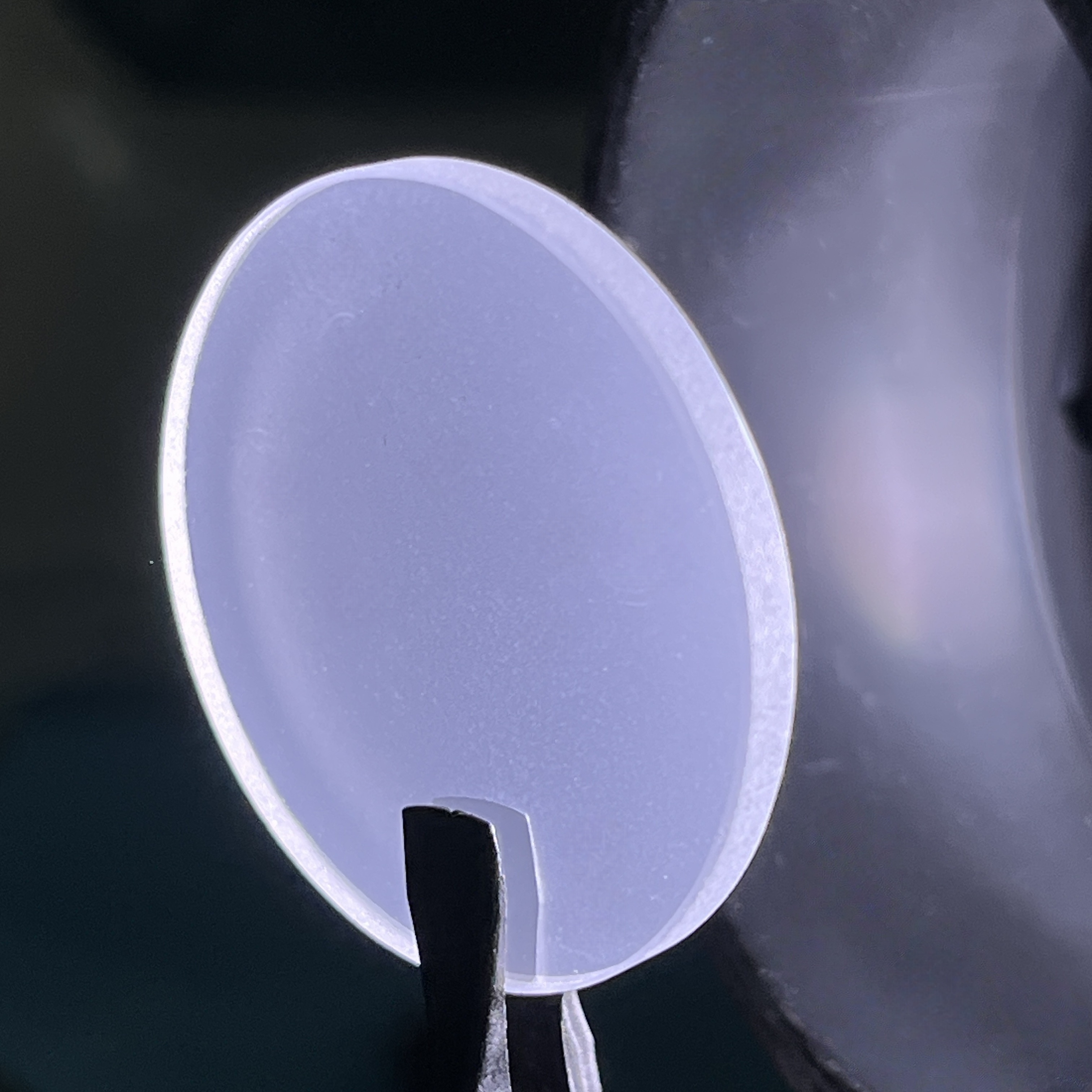
What Makes Clear Quartz Glass Different?
Clear quartz glass has a dense internal structure with extremely low levels of bubbles and impurities. High-purity synthetic quartz can achieve impurity concentrations at the ppb level, providing excellent optical homogeneity and a very low defect density.
Unlike opaque quartz materials, clear quartz is designed to transmit light and radiant energy efficiently. It offers high transmission across the ultraviolet, visible, and near-infrared regions, making it suitable for both optical and industrial applications.
Optical and Thermal Performance
One of the key advantages of clear quartz is its excellent light transmission combined with relatively low optical absorption.
The material has a typical thermal conductivity of approximately 1.4 W/(m·K), allowing both light and radiant heat to pass through the material when required.
Clear quartz also provides reliable high-temperature performance. Its recommended long-term operating temperature is generally around 1,100°C, while short-term exposure can reach approximately 1,200°C.
However, continuous exposure above the recommended operating temperature may increase the risk of crystallization and devitrification. Therefore, operating temperature and service conditions should be carefully considered when designing quartz components.
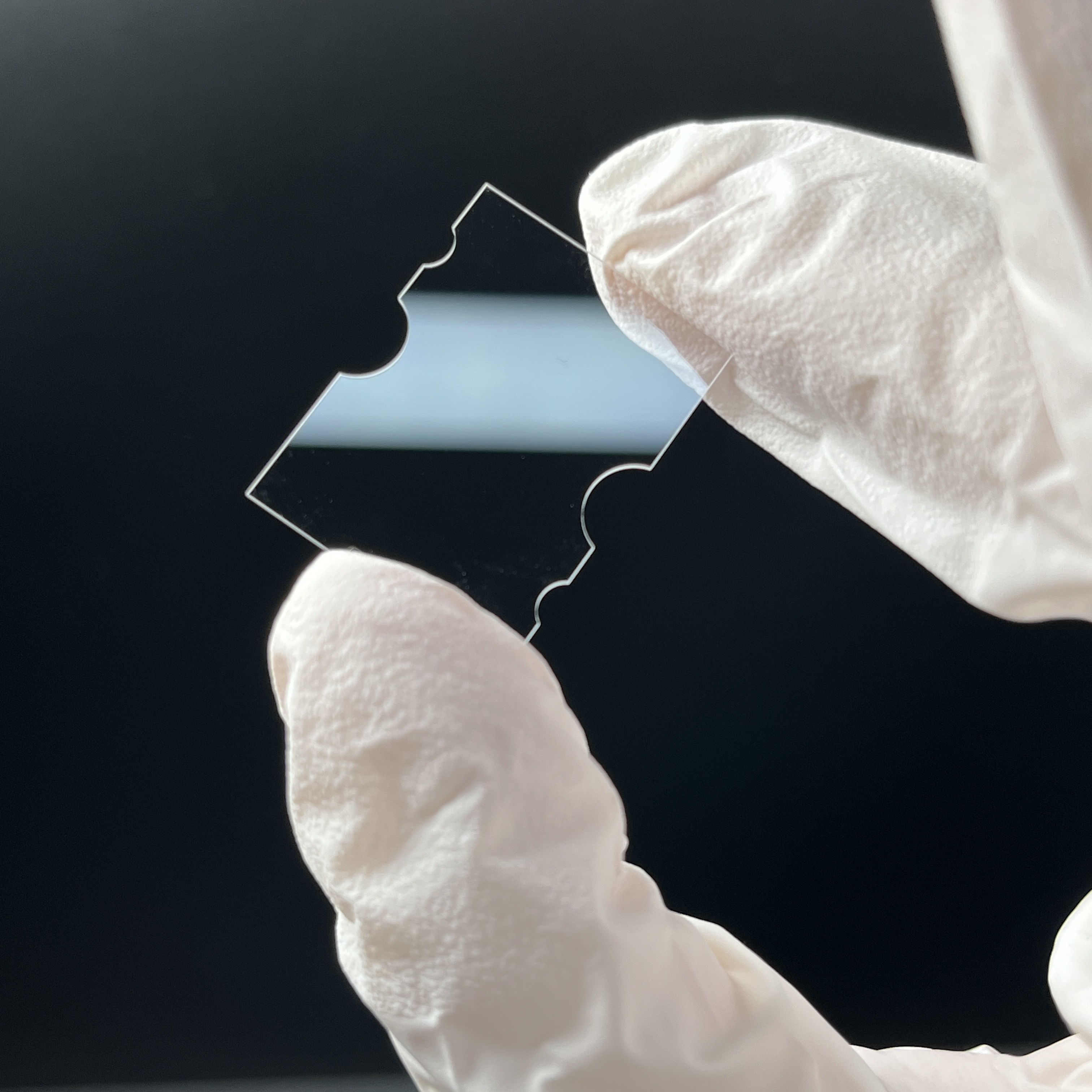
How Is Clear Quartz Manufactured?
Clear quartz can be manufactured using high-purity natural quartz sand or synthetic silicon-based feedstocks.
Common production technologies include:
- Electric fusion
- Flame fusion
- Chemical vapor deposition using silicon tetrachloride as a precursor
The selected raw material and manufacturing process can directly affect purity, hydroxyl content, bubble concentration, spectral transmission, and high-temperature performance.
Applications of Clear Quartz Glass
Clear quartz is widely used in applications requiring high purity and excellent optical or thermal performance, including:
- UV and high-temperature optical windows
- Semiconductor photolithography, diffusion, and thermal-processing equipment
- Quartz diffusion tubes and process tubes
- Optical-fiber preforms
- High-purity laboratory reactors and vessels
It can also be manufactured into tubes, plates, rods, rings, boats, flanges, vessels, and complex customized quartz components.
How to Select Clear Quartz
Clear quartz is an excellent choice when an application requires:
- High light transmission
- Low optical absorption
- High optical homogeneity
- High material purity
- Reliable high-temperature performance
For semiconductor and optical applications, material purity, bubble content, hydroxyl concentration, dimensional accuracy, and surface quality should all be considered during material selection.
Clear quartz is not simply a transparent material. Its combination of optical performance, purity, thermal stability, and processing flexibility makes it a fundamental material for advanced optical and semiconductor manufacturing.
Post time: Jul-18-2026